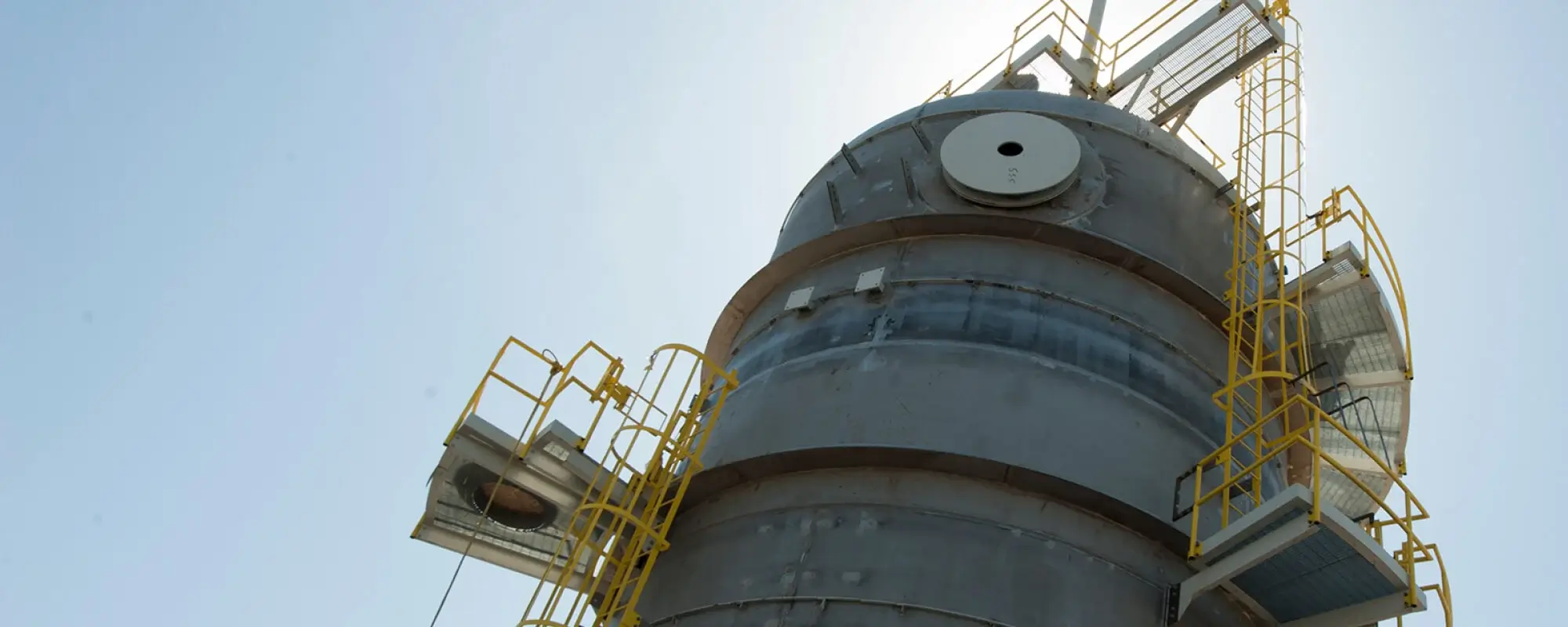
Overview of the Alberta Carbon Trunk Line
The Alberta Carbon Trunk Line (ACTL) is one of the world’s largest integrated carbon capture, utilization, and storage (CCUS) systems in Alberta, Canada. Initial planning and consultation began in 2005, while construction, pre-commissioning, and commissioning took place from 2013 to 2020. As one of only seven global projects actively storing over 1 million tonnes of CO2 per year, the ACTL plays a crucial role in reducing greenhouse gas emissions while positively contributing to Alberta’s economy.
The ACTL began as a collaborative effort led by Enhance Energy (Enhance), Nutrien (the merged company of Agrium and PotashCorp in 2018) and the North West Redwater (NWR) Partnership, integrating projects between three companies and two industrial emission sources to capture, compress and transport CO2 through a 240-kilometre pipeline for enhanced oil recovery (EOR) and storage.
Between the three companies, roles were divided into capture, compression, transportation and storage. CO2 would be captured by Nutrien’s CO2 Recovery Facility (CRF) from Redwater Fertilizer Operations (RFO), and by NWR’s CO2 Recovery Unit (NWR CRU) Rectisol® Unit at the Sturgeon Refinery. Both capture facilities would compress the CO2, with NWR employing two compression stations— a Booster Compressor operated by NWR and a Main Compressor operated by Enhance within NWR boundaries. The CO2 would then be transported via a pipeline to the Clive Oil Battery for EOR and storage by Enhance.
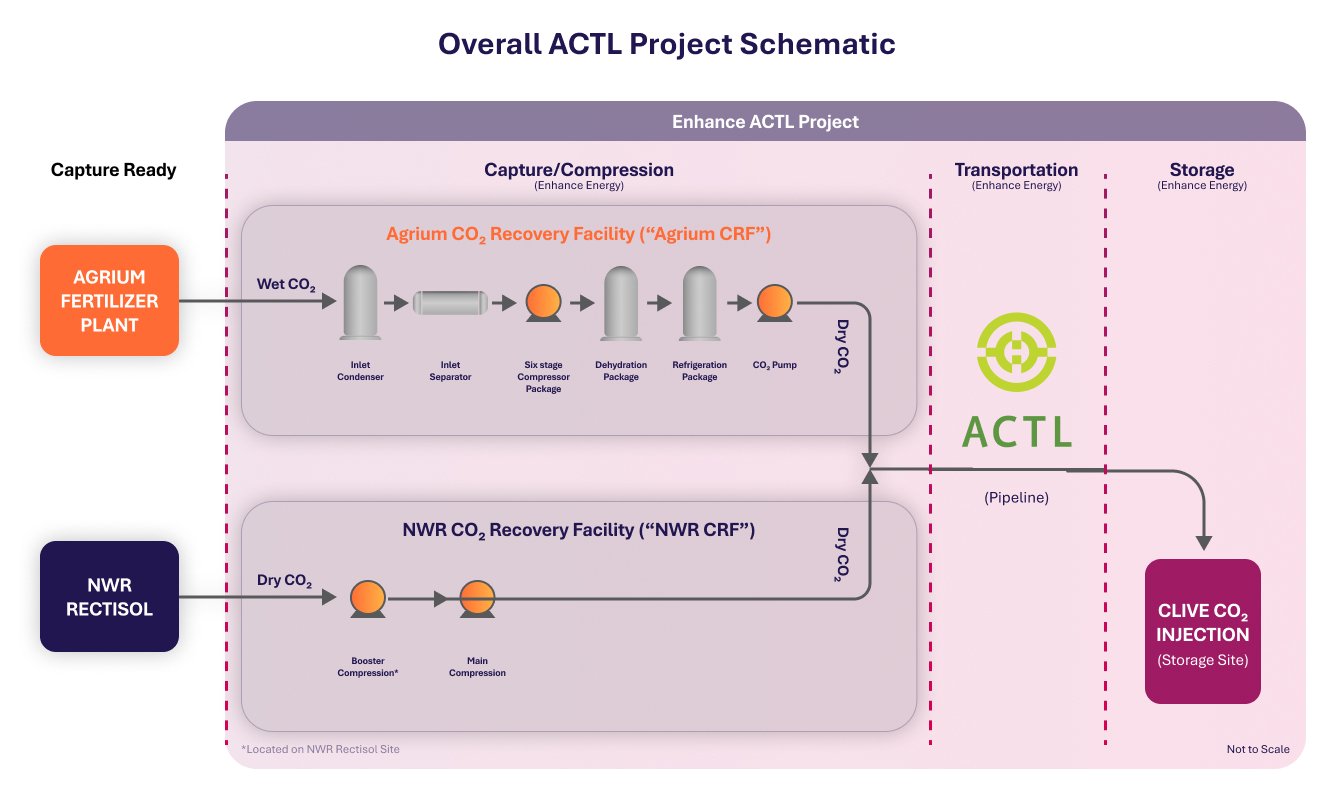
After being joined by Wolf Carbon Solutions (WCS) in 2018, roles, ownership and operations changed for integral pieces of the ACTL puzzle.
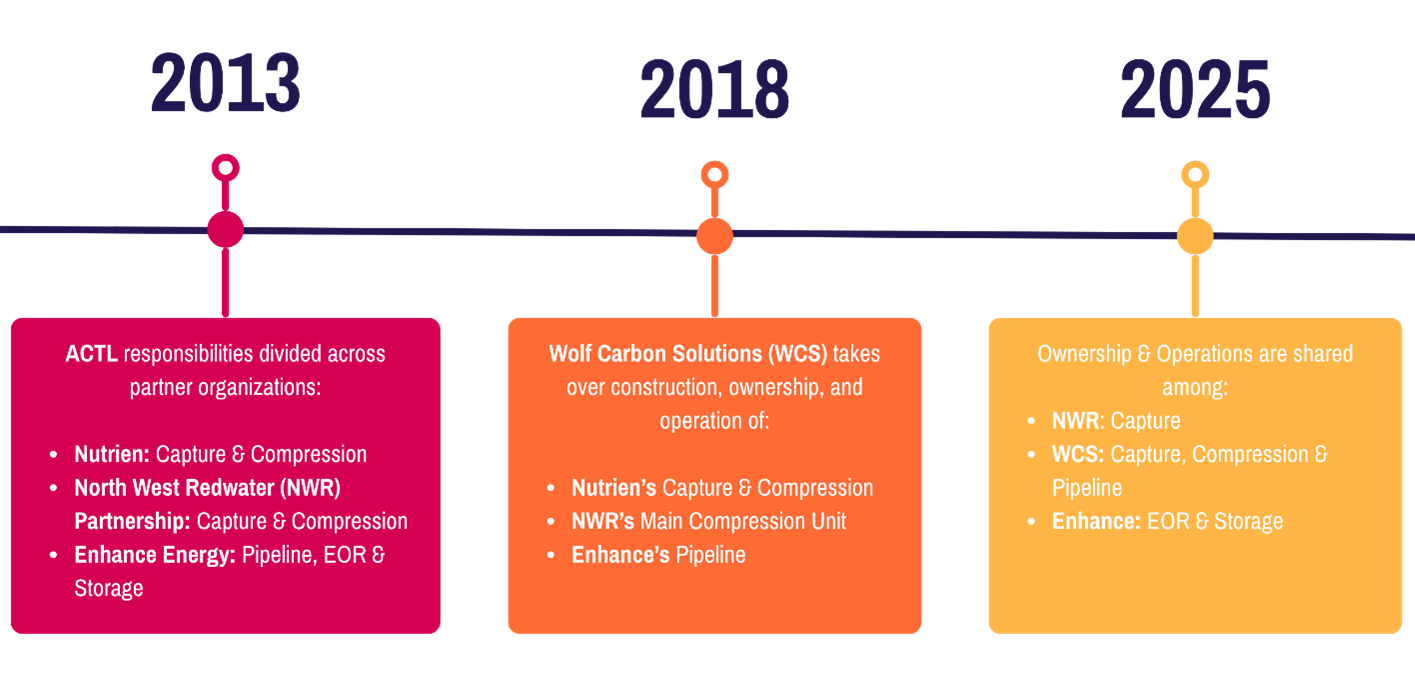
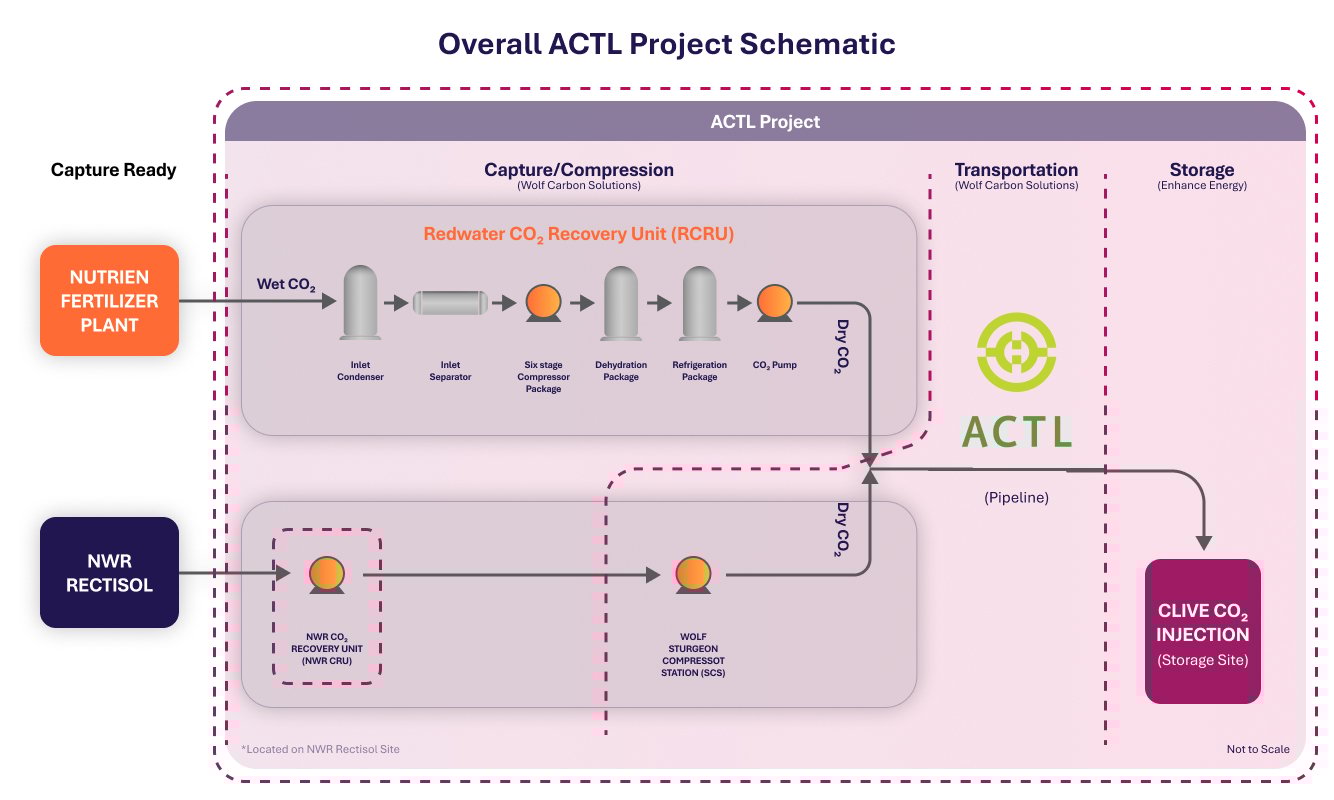
WCS took over the construction, ownership, and operation of the ACTL including the Nutrien CRF and Compression Unit, which was renamed the WCS Redwater CO2 Recovery Unit (RCRU). The NWR CRU’s Main Compression Unit was relocated outside the facility fence line and is now known as the WCS Sturgeon Compressor Station (SCS). WCS also became responsible for managing the ACTL transportation system, taking over the pipeline infrastructure.
Developmental Challenges & Solutions
The development and operation of the ACTL demonstrates the successful implementation of large-scale CO2 pipeline infrastructure. By addressing challenges in pipeline design, construction, right-of-way acquisition, and public engagement, the project has established a robust and reliable CO2 transportation network essential for the growth of CCUS in Alberta and Canada.
The ACTL serves as a foundational piece of emission reduction for its capture partners, though its potential extends far beyond its current role. Currently operating at about 10% of its maximum capacity, the pipeline has the capability to transport up to 14.6 million tonnes of CO2 annually. Additionally, the ACTL traverses through areas actively being evaluated for dedicated geological sequestration by Enhance and WCS, as well as by other sequestration hub applicants, positioning it as a critical asset for future carbon capture and storage projects to come.
The successful development of ACTL came with a series of challenges that required innovative solutions. One key hurdle was fostering public trust through education, transparency and engaging stakeholders effectively. Integrating CO2 capture systems into existing facilities posed logistical and operational difficulties, while managing the complexities of both dry and wet CO2 compression systems demanded creative approaches to ensure smooth operation. Pipeline planning, construction, and operation required precision and extensive planning to safely transport the captured CO2. Navigating evolving regulatory frameworks was critical, as improvements were necessary to streamline execution and ensure compliance. The adoption of advanced technologies also played a pivotal role in addressing technical issues and enhancing the efficiency of CO2 capture and transportation. Together, these efforts underscore the innovative and collaborative strategies that were instrumental in ACTL’s success, providing invaluable insights for future CCUS initiatives globally.
Capture & Compression
Wolf Carbon Solutions Redwater CO2 Recovery Unit
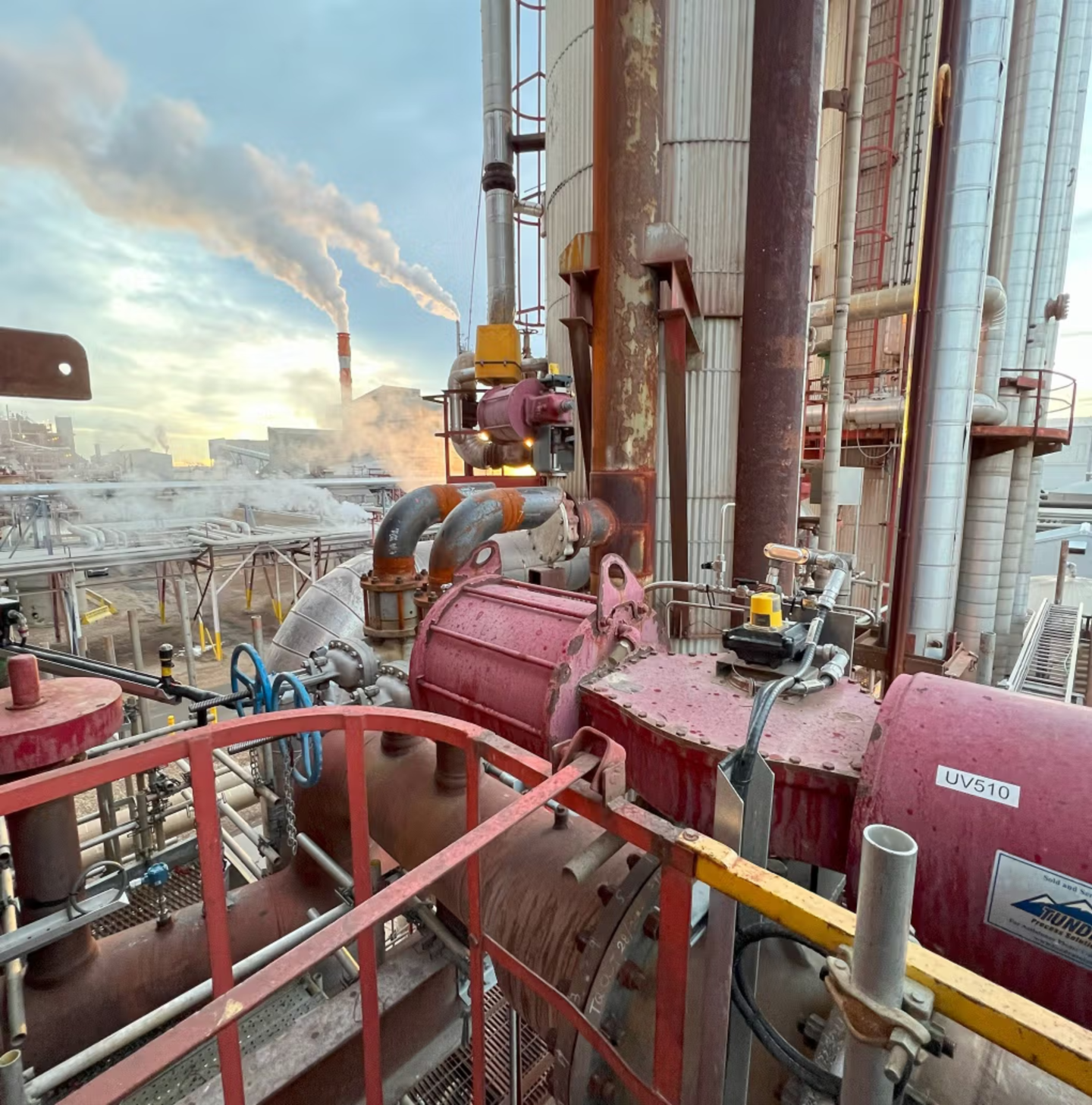
Nutrien operates the RFO in Redwater, Alberta, which produces CO2 as a by-product of hydrogen production for ammonia synthesis (i.e., Haber-Bosch process). Produced CO2 then reacts with ammonia to produce urea (dry granular nitrogen fertilizer), with excess CO2 being vented back to the atmosphere. To capture the vented CO2, the WCS RCRU, previously known during development as the Nutrien CRF, was built adjacent to the plant.
The RCRU captures a relatively pure, wet CO2 stream, then dehydrates and compresses it through a six-stage centrifugal compressor for transportation via the pipeline. The facility was designed to maximize CO2 recovery using a fit-for-purpose approach that integrates locally sourced oilfield and industrial technologies. The process includes inlet cooling, separation, compression, dehydration, and refrigeration to produce dense phase CO2, which is discharged into the ACTL pipeline for transport to the Clive EOR field and permanent storage.
To ensure the success and efficiency of CO2 capture and processing at the RCRU, Nutrien and WCS have overcome several challenges related to moisture removal, commissioning, dehydration technology selection, and reliable remote operations.
Challenges & Solutions
Challenge
- Lack of CO2 Recovery Experience: At the time of design and construction, Nutrien had limited exposure to how key CO2 compression and dehydration processes operated.
Solution
- CO2 Recovery & External Operators: To overcome this, Nutrien invited external experts from Enhance and WCS to collaborate and guide the design and operational plan of the RCRU.
Challenge
- Moisture Removal: The wet CO2 stream from Nutrien’s fertilizer production process requires adequate dehydration to meet ACTL pipeline requirements. The presence of water in the CO2 stream poses risks such as:
- Corrosion: High water content can lead to corrosion in the pipeline and other equipment.
- Hydrate Formation: At certain temperatures and pressures, water molecules can surround CO2 molecules to form solid hydrates that can block pipelines.
Solution
- Proven Cross-Industry Dehydration Technology: To address moisture content in the captured CO2, the RCRU employed a multi-stage dehydration process:
- Inlet Cooling and Separation: The wet CO2 stream is passed through plate and frame heat exchangers to promote heat transfer and then cooled using glycol. This removes approximately 95.6% of the moisture.
- Water Removal via Compression: After cooling and separation, the resulting CO2 stream is then compressed to a specific pressure, scrubbing out as much water as possible. This step removes 4.2% of the initial moisture.
- Glycol Dehydration: From compression, the resulting CO2 stream is sent to a Triethylene Glycol (TEG) absorption system. This method removes approximately 0.2% of the remaining moisture and leaves the CO2 stream at a moisture level acceptable for the ACTL pipeline.
Today, as a fully operational project, the RCRU transports their dehydrated CO2 stream for storage according to these pipeline specifications:
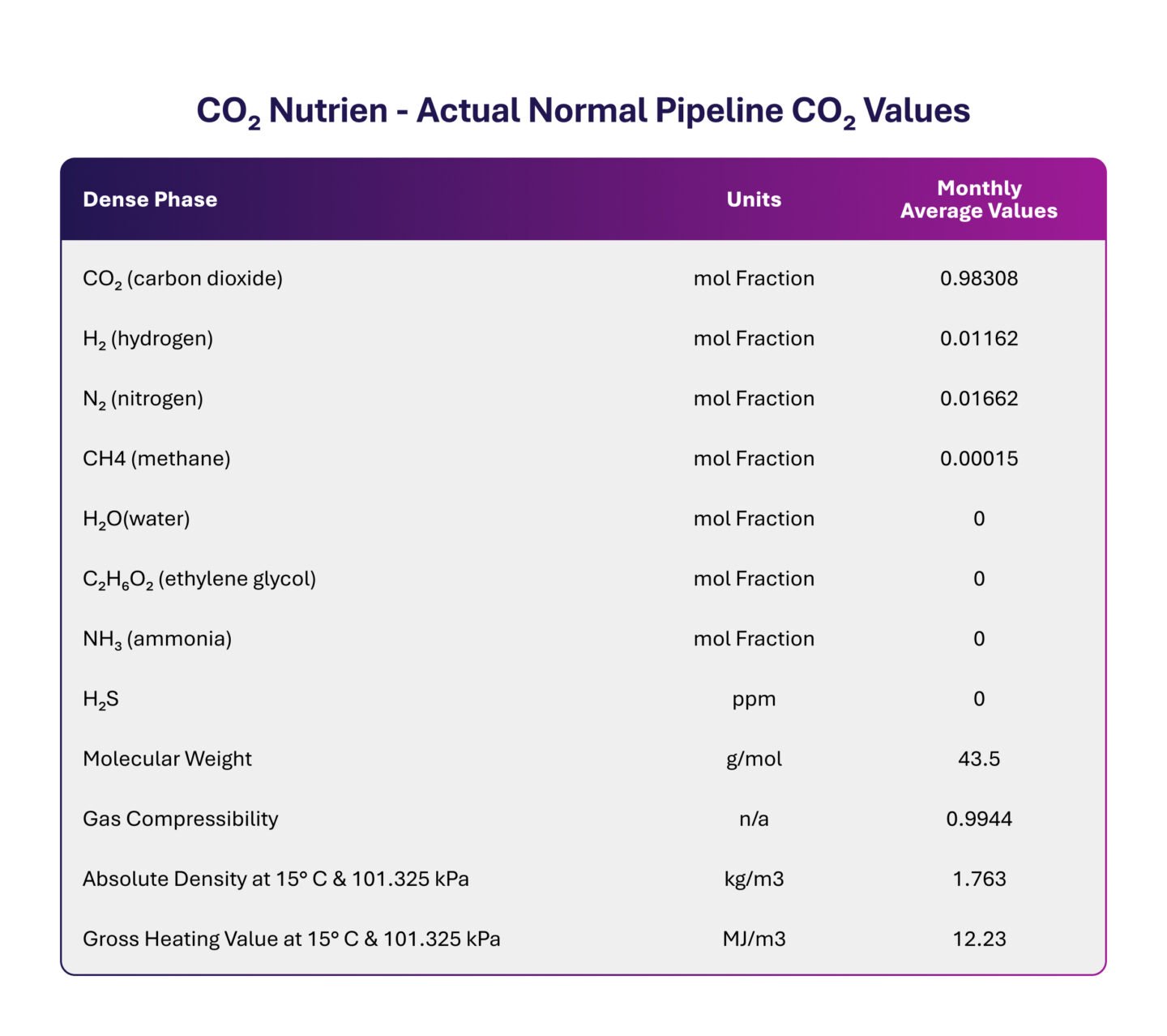
For more information on the product specifications required for the ACTL pipeline, jump here.
Challenge
- Unmanned Operation: The RCRU was designed to be unmanned and operated remotely. Developing a robust control system that ensures safe, reliable, and efficient operation for the equipment was challenging for the project.
Solution
- Robust Control System: To meet the needs of a unmanned operation, the RCRU incorporated a Basic Process Control System (BPCS) and a Metering/Measurement System (MMS) to meet the following criteria:
- Interface Communication: The BPCS works as a process control and safety function for the capture plant. And the MMS promotes the balance of plant (BOP), measuring, and reporting essential information for the regulator. The ability to communicate between the two individual control systems is essential for the remote operation philosophy and was a requirement when selecting vendors.
- Reliability: The BPCS and MMS equipment needed to have proven reliability and functionality for remote operation. Nutrien looked for systems deployed by local industry owners (i.e., oil and gas operations) for their experience and expertise.
- Local Representation: The vendors selected also needed to have local representation for technical support, including field support, and readily available spare parts in the event of an unexcepted failure. This was important as untimely vendor support and delays in acquiring spare parts would put the reliability of Nurien’s operation at risk.
Outcomes and Impact
- Emission Reduction: The RCRU captures and processes CO2 emissions that would otherwise be released into the atmosphere. This aligns with ACTL’s commitment to environmental sustainability and significantly contributing in the reduction of GHG emissions. By capturing and utilizing CO2 emissions, the RCRU plays a vital role in advancing a sustainable energy future. The ACTL project demonstrates the potential of CCUS as a viable solution for mitigating climate change and supporting the transition to a low-carbon economy.
- Cross-Industry Collaboration to Enable CCUS: RCRU’s successful implementation showcases the feasibility and effectiveness of CCUS technology in reducing emissions at ammonia/urea fertilizer production facilities. RCRU has demonstrated the applicability of oil and gas technologies in glycol dehydration which are critical for future CCUS projects in the fertilizer industry. The cross-industry and external operation of the capture unit may serve as a model for projects in a variety of industries.
North West Redwater CO2 Recovery Unit & Wolf Carbon Solutions Sturgeon Compressor Station
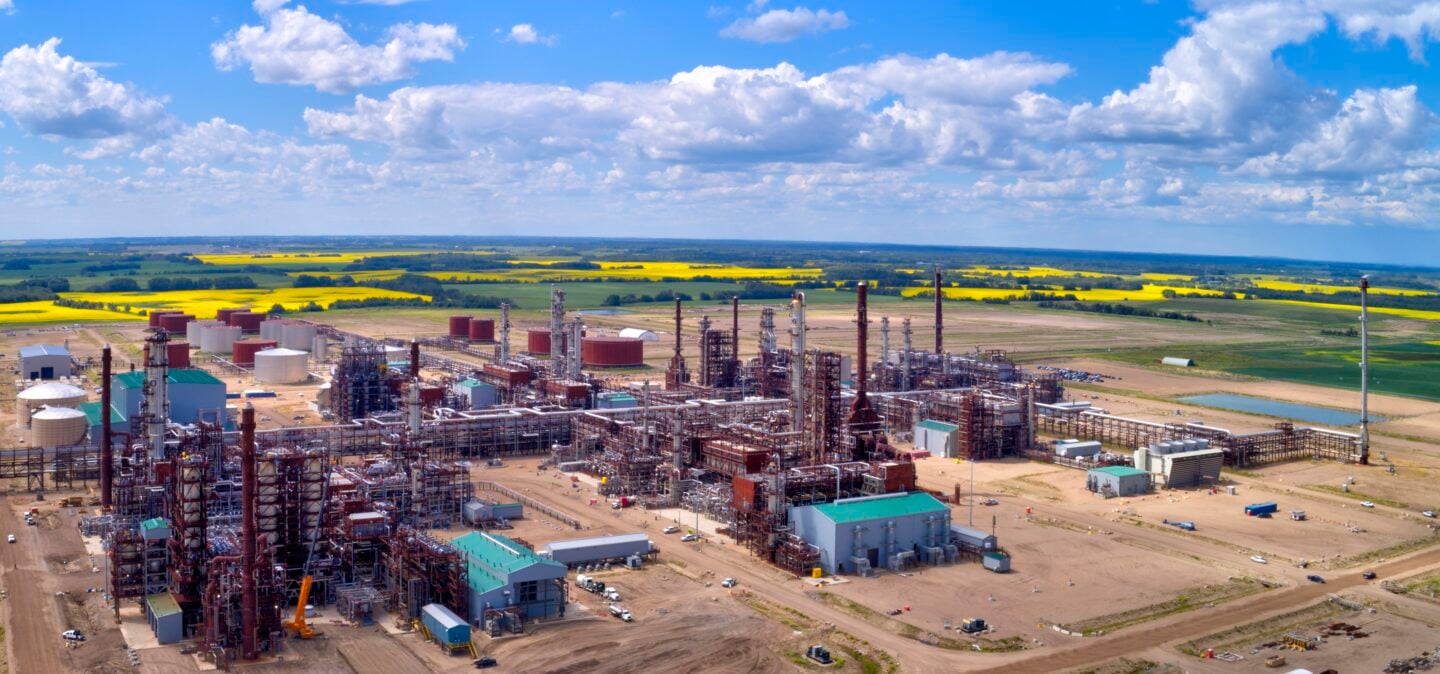
NWR Partnership operates the Sturgeon Refinery in Sturgeon County, Alberta, where CO2 is also captured and compressed for the ACTL project. The refinery has an integrated Rectisol® Unit downstream of their Multipurpose Gasification (MPG)® or Gasifier Unit. Rectisol® is a pre-combustion capture technology that employs refrigerated methanol as a solvent to facilitate physical absorption.
The MPG produces raw syngas from hydrocracked residue or straight run residue as the feedstock. The shift unit further converts raw syngas by essentially raising the hydrogen content within the gas stream to produce syngas. The Rectisol® process uses refrigerated, high pressure methanol to physically absorb acid gases and CO2 from syngas. The treated H2 gas exits as the main product stream and high-purity CO2 is recovered during solvent regeneration. From there, the CO2 offtake is pure and dry, meaning it does not require further moisture removal or conditioning prior to compression.
The CO2 is then transferred to two dedicated compressor stations. First, the stream goes through the Booster Compressor, integrated within the NWR CRU’s Rectisol® unit. From there, the CO2 takes a short trip to the other side of the fence where WCS SCS hosts the Main Compressor. The Main Compressor was originally planned to be constructed and operated within the NWR facility. However, in 2018, plans changed, and the unit’s construction was relocated just outside the NWR facility fence line (3.2 km away) to be operated by WCS. At the site, CO2 undergoes further compression to reach the required ACTL pipeline pressure and then it is sent to Clive for EOR and storage via the ACTL.
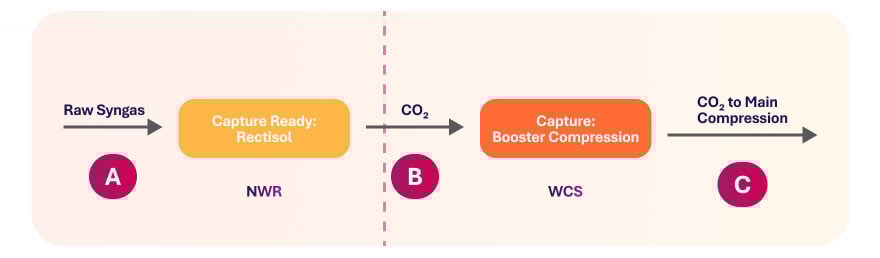
This project exemplifies the advancement of CO2 conditioning and compression technology, highlighting the feasibility and effectiveness of CCS solutions within industrial settings. Despite challenges, innovative solutions and meticulous planning meant NWR and WCS delivered success of both the capture and compression processes.
Challenges & Solutions
Challenge
- High CO2 Purity Standards: Maintaining the required CO2 purity level at NWR was crucial for its compatibility with the ACTL pipeline and Enhance Energy’s EOR procedures. High CO2 purity is important for the following reasons:
- Pipeline Integrity: High CO2 purity is essential for preventing corrosion and ensuring the long-term integrity of the ACTL pipeline. Impurities like water and other gases can react with the pipeline materials, leading to potential corrosion and/or leaks.
- EOR Efficiency: EOR operations depend on the injection of high-purity CO2 to effectively displace oil from the reservoir. Impurities can hinder this process, reduce the efficiency of oil recovery, and impact the project’s overall economic viability.
Solution
- Technology Advancements: NWR selected Rectisol® technology to ensure the CO2 product stream meets ACTL purity requirements. A key advantage is methanol’s strong and stable affinity for CO2, which maintains performance over time. The process produces high-purity H2 and CO2 streams that typically require no additional dehydration, unlike the CO2 produced at Nutrien’s facility.
- Corrosion Mitigation: NWR also identified corrosion as a key risk consideration for CO2 capture and transportation. To manage this, NWR implemented corrosion mitigation measures. These include the use of corrosion resistant materials and selection of a process that delivers a CO2 stream with very low water content thus supporting long term integrity and reliable operation.
Today, the SCS provides the ACTL pipeline with a stream applicable to the following specifications:
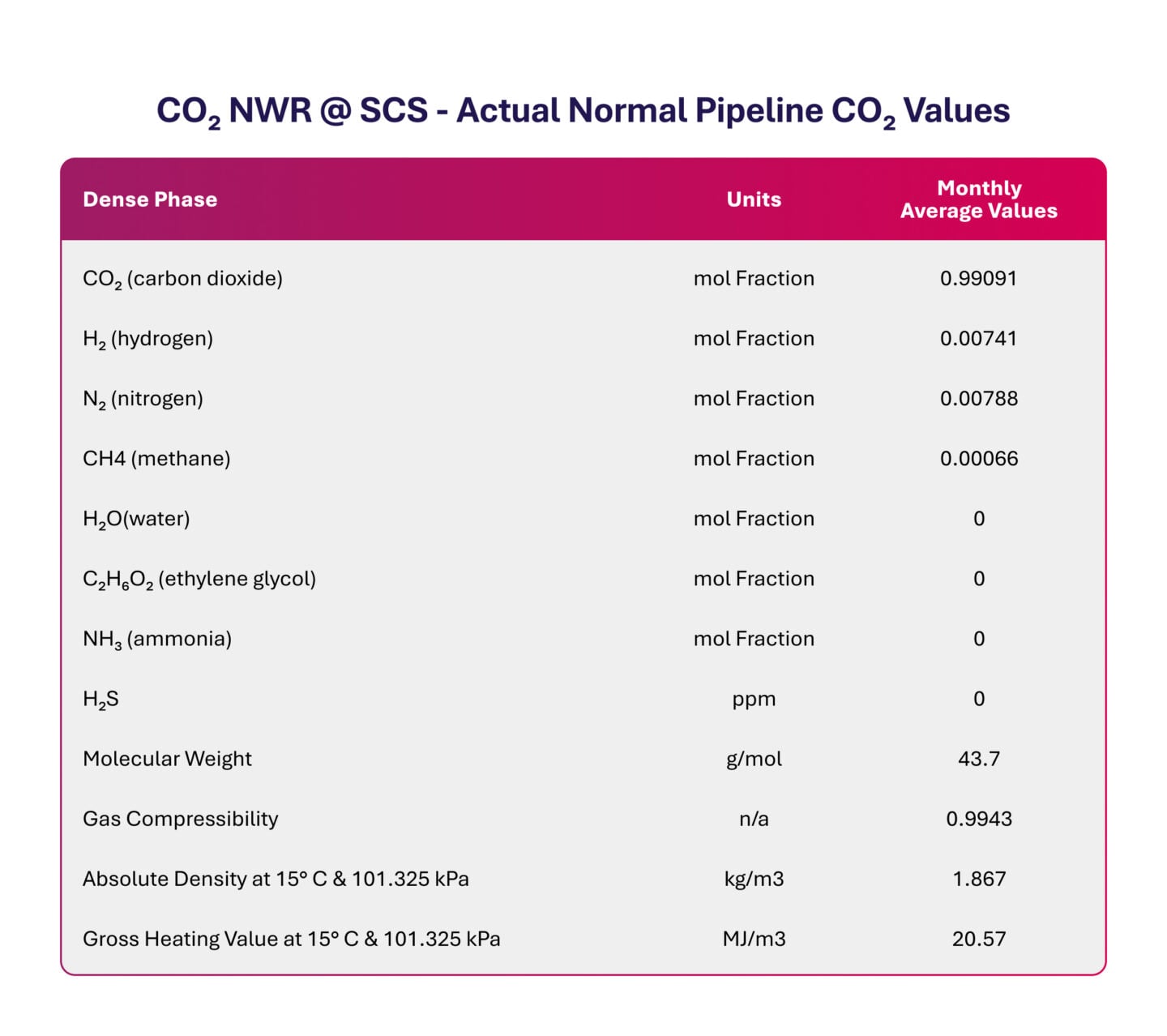
For more information on the product specifications required for the ACTL pipeline, jump here.
Challenge
- Integration Challenges & Delays: When it came to integrating the CO2 capture system and compressor units into the refinery’s infrastructure, NWR had to plan accordingly. Seamless integration required extensive planning to minimize disruptions to the refinery’s on-going operations while also aligning with the ACTL pipeline specifications.
- Interdependencies: The capture system components and the Booster Compressor created interdependencies as they were planned to be constructed simultaneously, where delays in one system could directly impact the progress of the other. Furthermore, the commissioning of the Gasifier Unit, relied on the overall refinery project timeline, adding further complexity to scheduling and coordination efforts.
- Plan Changes: The Main Compressor was initially planned within the NWR facility, tied to the Rectisol® Unit, making it vulnerable to delays. The refinery’s construction schedule pushed back the timeline, further complicating the synchronization of compressor installation and commissioning.
Solution
- Minimized Disruptions: To minimize interruptions when the ACTL pipeline cannot accept CO2, NWR CRU has a secondary routing option. If the Enhance CO2 Booster Compressor trips, the Rectisol® unit will stay online and divert the CO2 product stream for atmospheric venting.
Challenge
- Commissioning System Challenges: In 2018, mechanical challenges in the Gasifier Unit halted the commissioning of the Rectisol® Unit. In 2019, the unit underwent extensive repairs and modifications due to stainless steel stress corrosion cracking in the piping. Initial tests in late 2019 revealed that while on-spec hydrogen and CO2 was produced, the burners failed to meet lifespan requirements for sustainable maintenance.
Solution
- Burner Redesign: The solution to commissioning challenges faced in 2018-2019 was to analyze data from test runs and develop a third-generation burner. The gasifier reactor burners were replaced with a modified design to improve durability and extend their service life. Installation of the new burners was completed in February 2020, enabling full Gasifier operations in March 2020.
Outcomes and Impact
- Economic Contributions: As key partners in the ACTL project, NWR and WCS have driven economic growth in Alberta by creating jobs, generating royalty revenue, and strengthening the energy sector’s transition toward sustainability. These contributions underscore the broader economic benefits of integrating carbon capture technologies into industrial operations.
- Industrial Innovation: NWR’s successful integration of pre-combustion carbon capture technology and Rectisol® into its refinery sets a benchmark for future projects:
- Feasibility of Large-Scale CO2 Capture in Bitumen Refining: The project demonstrates the practical feasibility and scalability of capturing and managing significant CO2 emissions in a key industrial process for Alberta’s economy.
- Rectisol® Technology: The use of the Rectisol® process, a highly efficient acid gas removal technology, enables the capture of a high-purity CO2 stream suitable for pipeline transport and EOR.
Transportation
Wolf Carbon Solutions ACTL Pipeline Transportation System
In 2018, WCS took over responsibility for the ACTL pipeline from Enhance, bringing the 240-km CO2 transportation system online in 2019. This critical piece of the ACTL infrastructure connects the NWR and Nutrien facilities to the Clive Oil Field, ensuring efficient CO2 transport through an advanced network of pipelines.
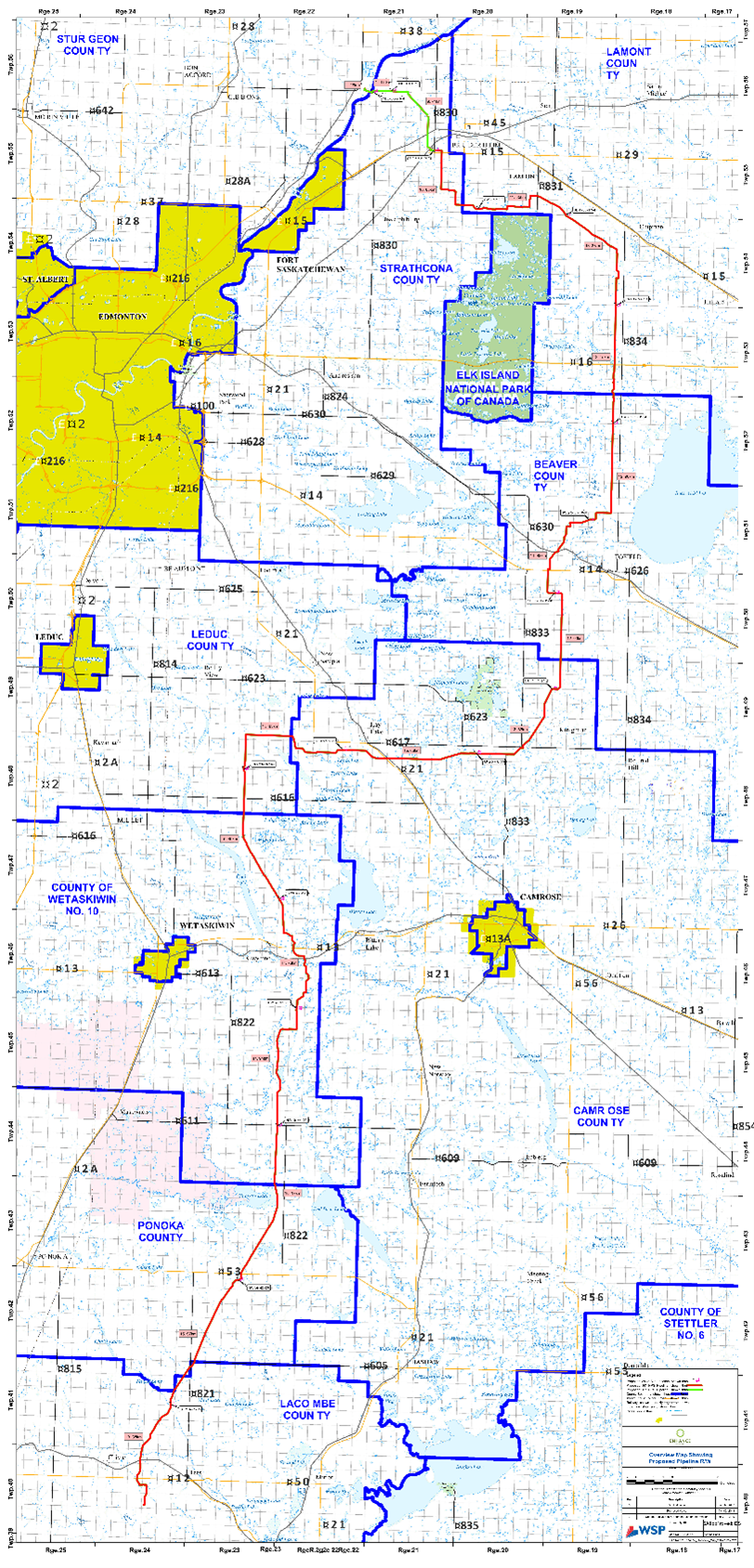
Construction of the ACTL pipeline was a multifaceted endeavor, spanning years of preparation and execution. Initial scoping, clearing, and timber removal began in 2013, with major construction starting in 2018. By the end of 2019, all mechanical components downstream of the WCS SCS were completed, and further work in early 2020 finalized the interconnection with the NWR CRF. This milestone completed both the construction and commissioning phases of the project.
Pipeline Specifications
The pipeline is 16 inches in diameter, made of electric resistance welded (ERW) carbon steel (Grade 448, Category II M18oC) and is designed to transport 14.6 million tonnes of CO2 annually at its maximum capacity. The total length of the pipeline is 240 kilometers, with a wall thickness of 14.3 mm, constructed from fully kilned, fine-grained, continuously cast steel meeting CSA Z245.1 specifications which ensure safe and reliable CO2 transportation
It has a maximum operating pressure of 17,926 kPag (2,600 psig) and CO2 products entering the line must maintain a temperature of less than 40°C. To maintain operational integrity, 17 block valve stations were strategically placed to allow isolation of pipeline sections during maintenance or emergencies. To ensure the pipelines’ long-term performance, the pipe features an externally coated fusion bond epoxy, providing robust protection against environmental conditions.
Since operations began, there have been no changes to the pipeline specifications:
- The CO2 stream must contain a minimum of 95 mol% CO2, with no more than 2 mol% hydrocarbons and a dewpoint not exceeding –7°C
- Glycol, amines, ammonia, or methanol are limited to 3 lb/mmscf (million standard cubic feet), while water content must not exceed 10 lb/mmscf
- Hydrogen sulfide (H2S) is restricted to 10 ppm (parts per million) by volume, with total sulfur capped at 16 ppm by volume
- Contaminants such as N2, H2, CO, Ar, or CH4 must each be less than 1.0%, with total contaminants less than 4% by volume, and oxygen must remain below 0.1%
- Sulfur oxides (SOx) and nitrogen oxides (NOx) must each be less than 100 ppm by volume, mercury must be less than 100 ppb (parts per billion) by volume, and the product must contain no solid particles or free liquids, including lube oils or glycol
Despite the success of the ACTL pipeline, its development was not without challenges. Stakeholder engagement, regulatory compliance, and construction intricacies demanded meticulous planning and innovative solutions. These challenges, along with how they were navigated, shaped the project’s outcomes and became valuable lessons for projects globally.
Challenges & Solutions
Challenge
- Landowner & Stakeholder Acceptance: Landowner and stakeholder acceptance was a significant challenge for the ACTL project, which initially was planned to cross proprieties owned by over 400 landowners. Limited public awareness of CCS and mixed opinions on pipeline projects made engagement, communication, and transparent education essential. Landowner compensation negotiations added complexity to the project, requiring discussions on land restoration and potential impacts. While acceptance has grown as CCS gains recognition, early conversations required intentional efforts to address concerns.
Solution
- Stakeholder Acceptance: WCS and Enhance prioritized stakeholder dialogue and public awareness, recognizing the importance of building trust and understanding among stakeholders and landowners. They proactively engaged with community members, providing information about the project, addressing concerns, and negotiating land access agreements using a variety of strategies:
- Early and Consistent Engagement: Enhance committed to public consultation in 2005, engaging stakeholders from the project’s outset. This strategy utilized a multi-channel approach including direct mail, personal consultations, public open houses, informative project websites, newsletters, community advisory panel meetings, and participation in conferences, industry events, and community gatherings.
- Addressing Concerns: Along with their project partners, WCS and Enhance proactively identified potential issues through communication channels and engagement activities. They maintained open lines of communication with landowners, held regular meetings, and gathered feedback to anticipate and address issues early. The project partners committed to resolving landowner concerns promptly and effectively, ensuring timely responses. Fair compensation was prioritized for equitable land access agreements, disruptions, and land restoration activities.
- Transparency: Enhance and WCS ensured transparency during development by openly sharing details about project objectives, potential impacts, and mitigation measures. They made stakeholder engagement and consultation documents available upon request, published reports on project progress, provided time for engagement activities, and participated in multi-stakeholder committees focused on environmental management and cumulative effects.
Challenge
- Regulatory Compliance: Navigating the regulatory landscape for the ACTL involved obtaining multiple permits, meeting stringent environmental requirements, and adhering to strict safety codes. This included thorough Environmental Impact Assessments (EIAs) to evaluate ecological impacts and implement robust safety measures to comply with industry standards. This intricate regulatory process was crucial to ensuring the project’s safety, sustainability, and overall acceptance.
Solution
- Regulatory Compliance: WCS adhered to all applicable regulations and standards in the early stages of the project through:
- Proactive Engagement with Regulatory Bodies: WCS and Enhance initiated open dialogue with regulatory agencies, such as the Alberta Energy Regulator (AER), to ensure alignment with regulations and obtain necessary approvals, resulting in a streamlined approval process and reduced delays.
- Comprehensive Applications and Documentation: WCS and Enhance prepared and submitted detailed applications for all necessary permits and approvals, including thorough environmental assessments, safety plans, and engineering designs. This transparency ensured regulatory bodies had all necessary information to evaluate the project prior to development.
- Robust Safety and Environmental Management Systems: WCS implemented comprehensive safety and environmental measures, including risk assessments, hazard identification, and environmental monitoring. Prevention measures undertaken by WCS include a failsafe SCADA system and corrosion reduction program. Furthermore, WCS has installed cathodic test stations along the length of the pipe at regular intervals to ensure continuous testing and informed operation.
- Pipeline Specifications: To ensure compliance and appropriate risk management planning, the ACTL pipeline adhered to all standards required by the province of Alberta for safe and reliable CO2 transportation.
Challenge
- Construction Issues: Constructing a major pipeline like the ACTL inevitably encounters unforeseen challenges, impacting project timelines and costs. WCS faced several obstacles including:
- Routing Changes: WCS has made minor changes to pipeline routing in 2019, leading to additional planning and timeline delays.
- Supply Chain Disruptions: Securing large quantities of high-quality pipeline materials and equipment produced challenges for the project, leading to delays and increased costs.
- Weather Delays: Canadian winter hindered activities like welding and excavation, while excessive rainfall during one of the wettest summers on record in 2019, further delayed the construction due to over saturated ground.
- Terrain Difficulties: The pipeline’s route across diverse landscapes required specialized techniques for water crossings and varying soil conditions. At all crossings such as roads, railroads and water bodies, the depth of the pipeline had to be considerably more than the minimum depth standard for pipelines.
Solution
- Contingency Plans: Recognizing the unpredictability of construction projects, WCS developed contingency plans such as schedule buffers, proactive resource allocation, and alternative construction methods to adapt to varying conditions.
Outcome & Impact
- Landowner Support: By the end of 2021, a majority of landowners had approved the projects land use, indicating successful engagement with stakeholders. Most landowners have been supportive, showing a positive public stance on CCS.
- Regulatory Approvals: The ACTL project secured all necessary regulatory approvals credit to WCS’ proactive and responsible development practices.
- Construction Success: Despite facing various challenges, WCS completed the ACTL pipeline. This is a significant milestone in CO2 infrastructure development, with the project being finished on time and within budget, highlighting their effective planning and project execution.
EOR & Storage
Enhance Energy’s Clive Oil Field
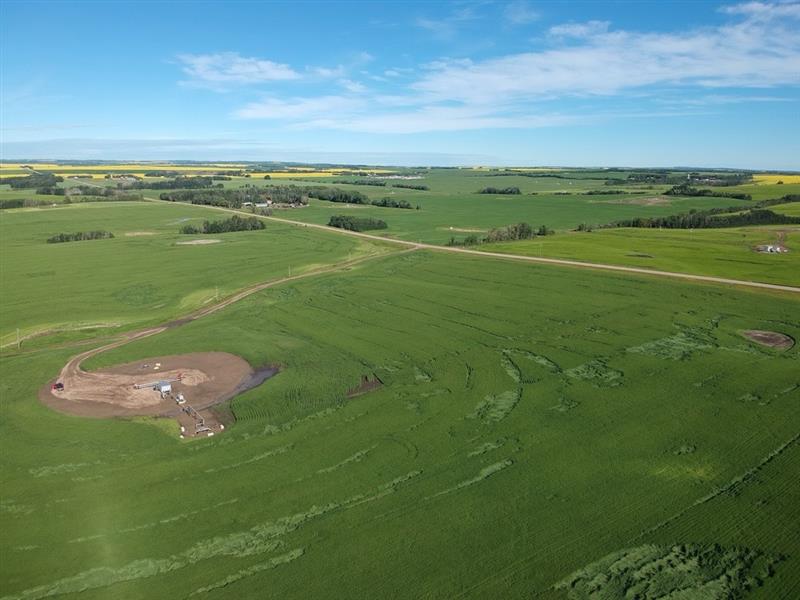
The ACTL transports the captured CO2 from Nutrien and NWR to the Clive Oil Field. Enhance selected the Clive Oil Field for CO2 sequestration due to its exceptional geological suitability and potential for EOR. The Clive Oil Field met all the conditions initially outlined for a sequestration site, the criteria consisted of acceptable ranges for reservoir temperature and pressure, minimum miscibility pressure (MMP), oil gravity, fraction of oil remaining before CO2, reservoir permeability and CO2 injection capability.
This criterion was important to ensure safe and permanent storage of CO2 underground. The reservoir also offers significant void spaces—empty pores within the rock formation—formed over decades of oil and gas extraction, making it highly suitable for large-scale CO2 storage. The remaining oil at Clive economically supports the project through EOR operations, generating incremental production that helps offset the cost of the CCUS value chain.
The EOR and storage process begins after receiving the CO2 transported through the ACTL pipeline to the Clive Oil Battery. The stream from the RCRU and the WCS SCS is directed to injection sites where CO2 flows underground into geological formations for sequestration and EOR.
Despite these favorable conditions, implementing CO2 storage and EOR at Clive required overcoming significant technical, logistical and financial challenges. Ensuring injectivity, complying with stringent regulatory standards, and addressing infrastructure design intricacies were vital to the project’s success.
Injection Specifications
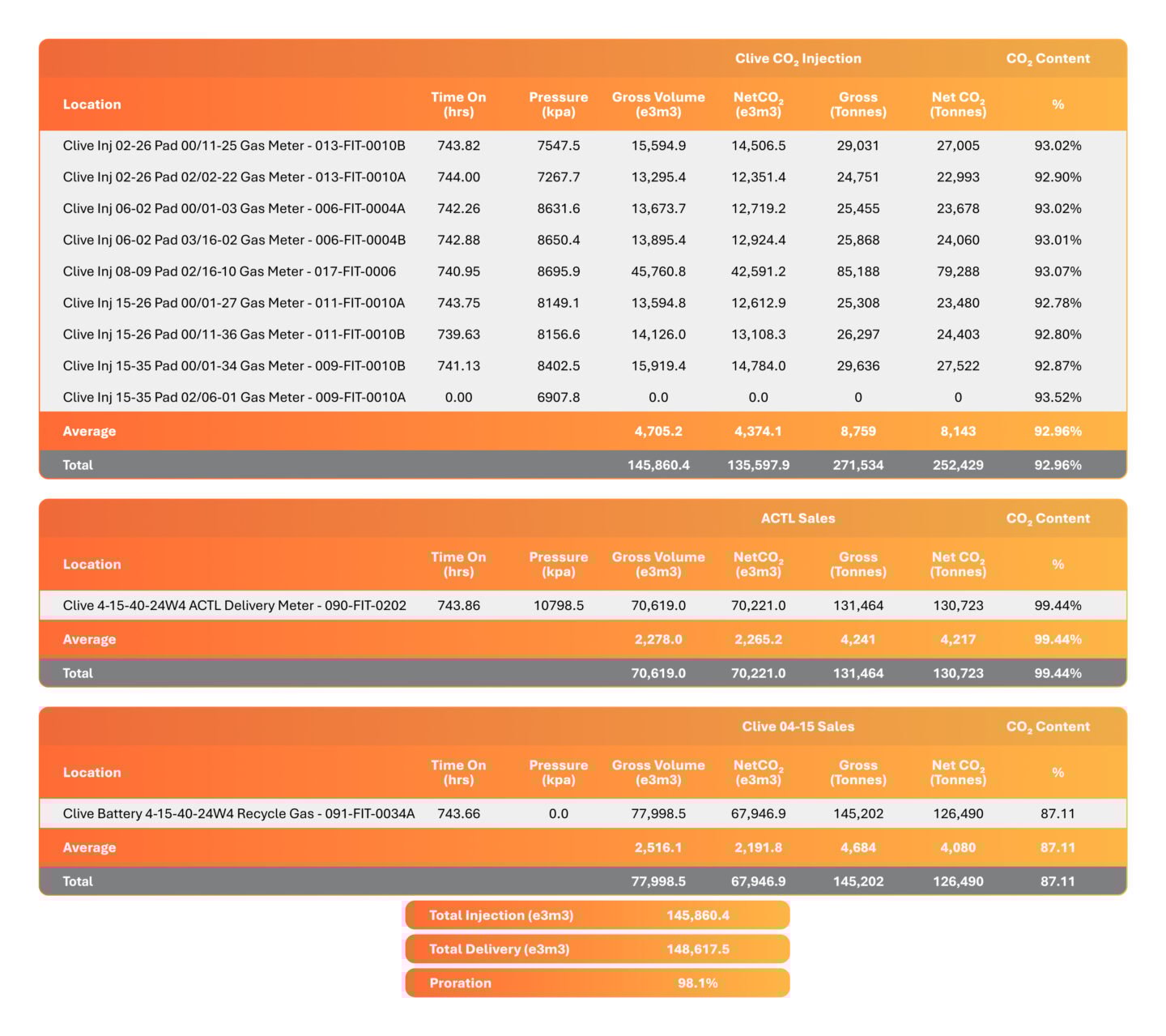
The injection wells at Clive operate with wellhead pressures generally around ±9500 kPa, injecting the streams at a depth of approximately 2000 metres beneath the surface. The system maintains an injection temperature of approximately 63 °C, ensuring stable conditions for reservoir delivery. Each well is equipped with orifice meters that measure injected volumes, which are then converted to tonnes for accurate reporting. To monitor purity, a CO2 analyzer is installed downstream of the delivery meter, providing continuous measurement of CO2 concentrations. This analyzer captures the comingled capture streams from the NWR and Nutrien, monitoring the injection quality and ensuring reliable compliance with the ACTL’s operational standards.
Below is the Clive CO2 injection volumes report from December 2023. These metrics are measured and reported on a monthly basis with little fluctuations:
Challenges and Solutions
Challenge
- Project Financing: By 2016, formalizing financing arrangements was a complex and time-consuming effort due to the number of stakeholders and the diversity of their financial and commercial interests. The challenges Enhance faced when financing this project are as follows:
- Lack of Precedent: Canada had limited large-scale equity investment in the CCUS/EOR sector and an underdeveloped credit market for CO2 EOR projects.
- Time to Cash Flow: Industry investments tend to focus on short-term payouts and immediate cash flow positions, making long-term projects less attractive. The prediction was that it could take more than a year after operations for this type of project to begin to achieve positive cash flow.
Solution
- Project Financing: Financing negotiations were finalized in 2018, enabling project construction and optimization of CO2 injection plans at Clive to begin. As part of the financing agreement, an additional partner joined the ACTL, and the project became what it is today, with WCS owning major pieces of the ACTL infrastructure. By the end of 2018, agreements, financing, and transition details between WCS, Enhance, NWR and Nutrien were completed, paving the way for project construction to continue.
Challenge
- Maintaining Reservoir Pressure: The injection of CO2 into the Clive reservoir must be carefully managed to maintain pressure while preventing seismic events. This delicate balancing act is essential for the safety and effectiveness of any CO2 storage project.
Solution
- Maintaining Reservoir Pressure: Enhance’s CO2 injection strategy relies on a voidage replacement approach. This method maintains reservoir pressure by matching the volume of CO2 injected with the volume of fluids (oil, water, and gas) produced. Key benefits of this method include:
- Pressure Stabilization: Maintains stable reservoir pressure to prevent leaks and induced seismicity.
- Reduced Seismic Risk: Minimizes the chance of seismic events by keeping a consistent pressure balance.
- Improved EOR: Improves oil production as CO2 injection reduces oil viscosity and enhances flow characteristics.
Challenge
- Legacy Well Integrity: Enhance’s site contains numerous legacy wells, which are older wells drilled and completed with previous decades’ technology and practices. If their integrity is compromised, older wells could pose a potential risk for CO2 leakage.
Solution
- Legacy Well Assessment and Remediation: The risk of CO2 leakage and the integrity of the storage system through their legacy wells was proactively addressed by Enhance completing:
- Comprehensive Assessments: Enhance conducted comprehensive assessments to evaluate the potential risks of CO2 leakage from legacy wells. Over 50 years of field data showed no surface casing venting flow was a result of cement failures, indicating a low risk of containment loss.
- Remediation Efforts: Cement quality in abandoned wells was reviewed and quantified to ensure effective sealing against fluid migration through hydraulic isolation, which confines fluids to specific zones. This process confirmed the integrity of ninety-seven legacy wells across the storage area, using Cement Bond Logs (CBLs) — tools that evaluate the quality of cement in wells by measuring acoustic signals to verify proper bonding between the casing and surrounding rock. A third-party review was conducted by Reliance Oilfield Services, confirming Enhance’s CBL analysis.
- Measurement, Monitoring and Verification (MMV) Integration: From the assessment and remediation efforts made to Clive’s legacy wells, specific monitoring procedures were introduced to Enhance’s MMV. These checklist items were designed to proactively mitigate risks, ensuring safe operation, and support the long-term success of the project.
Challenge
- Monitoring CO2 Migration: Before beginning CO2 EOR and sequestration, effective monitoring techniques are required to track the migration of the CO2 plume within the reservoir while also preventing any potential leakage. Developing a Measurement, Monitoring and Verification (MMV) plan was a resource-intensive and time-consuming endeavor.
Solution
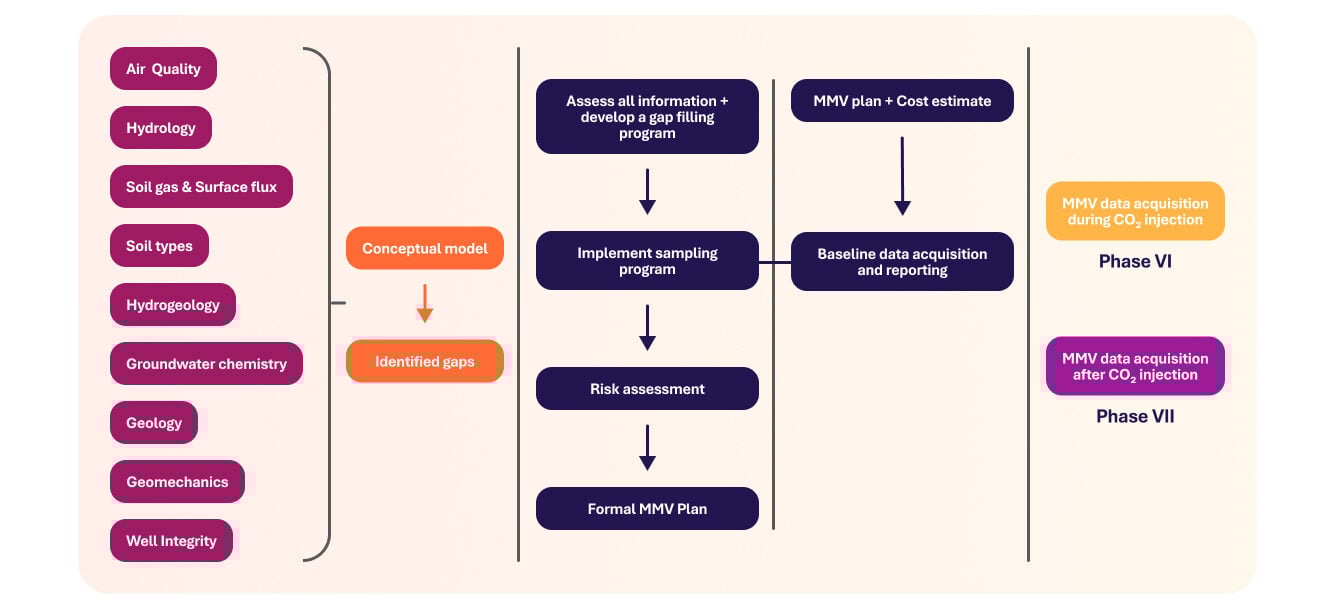
- Comprehensive Monitoring Program: Enhance split the process into six phases, as shown below. This process assisted Enhance in ensuring their MMV plan was thorough and addressed any current or potential concerns with the project. Once all six phases of preparation and assessments were complete, a comprehensive MMV plan was created by technical experts for Enhance. This plan goes beyond standard regulatory requirements and utilizes a multifaceted approach to track CO2 migration and ensure safe, long-term containment:
- Well Monitoring: The project utilizes real-time data tracking of injection and production wells for pressure, temperature, flow rates and the CO2 plume behaviour.
- Simulation Models: Advanced reservoir simulation models were used to predict CO2 plume movement. These models are calibrated with actual field data to ensure accuracy and identify any deviations from expected behaviour.
- Baseline Data: A comprehensive baseline dataset, including soil gas composition and groundwater quality, is compared with post-injection data to detect any potential CO2 leakage.
- Multi-Layered Monitoring: A multi-layered monitoring approach covers bedrock, freshwater aquifers, and surficial deposits to monitor any potential CO2 migration.
- Additional Precautions: H2S detection measures were incorporated into the MMV plan to ensure safe containment and detection of any potential leaks. Regular testing of wells is conducted using CBLs to measure the cement bond quality, ensuring the cement effectively isolates different zones and minimizes CO2 leakage risk.
Outcomes & Impacts
- Improved EOR: Capitalizing on the EOR approach extends the productive life of the site, generating economic benefits while also mitigating Enhance’s GHG emissions. CO2 injection at the site significantly enhanced oil production by:
- Reducing Oil Viscosity: CO2 dissolves in the oil, reducing its viscosity and making it flow more easily for extraction.
- Improving Sweep Efficiency: CO2 helps to displace the oil trapped in the reservoir rock pores, increasing the overall recovery factor.
- CO2 Storage: Through voidage replacement, a comprehensive MMV plan and proactive improvements made in at-risk areas, Enhance ensures safe CO2 storage within their reservoir.
- Project Expansion: Due to the successful implementation of EOR at the site, Enhance has been able to expand the project.
- New Injection Wells: Enhance has drilled and completed nine horizontal CO2 injection wells, with six added in 2019, two in 2021 and one other in 2022.
- Recycle Compressor and Dehydration Unit: A main recycle compressor and DEXPRO™ dehydration unit, commissioned in 2021, allows for the separation, compression, and dehydration of recycled CO2 for reinjection.
- Future Expansion Plans: Enhance plans to seek additional regulatory approval to extend operations of their Clive Oil Field. This expansion involves drilling more injection and production wells to boost oil recovery and increase CO2 injection capacity.
Knowledge Sharing Reports
Beyond its operational achievements, ACTL partners actively promote CCS adoption through continued knowledge sharing.
These case studies only scratch the surface of the information available on the design, construction and operation of the ACTL. Detailed Knowledge Sharing Reports further document the project’s progress, challenges, and lessons learned, providing valuable guidance for organizations pursuing similar initiatives.
To explore the full range of data, strategies, and valuable insights, be sure to review the publicly available reports.

The CCUS Insight Accelerator (CCUSIA) is a partnership between the Government of Alberta and the International CCS Knowledge Centre to accelerate and de-risk CCUS by sharing knowledge and developing insights from projects.