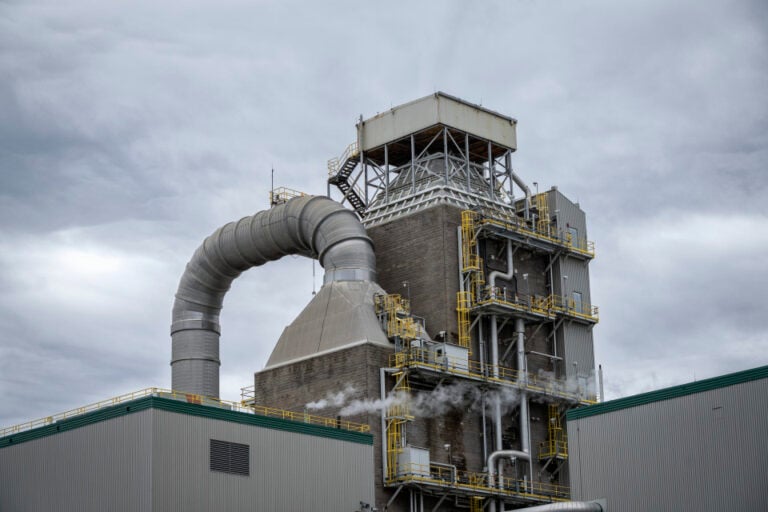
Last month, I found myself in Sandefjord, Norway attending the Gassnova Knowledge Sharing 2026 CCS & CDR Summit. Bringing together 500 experts from across the carbon management ecosystem sparked a surprising reflection for me: carbon management mirrors the Viking ships that once shaped Norway’s history.
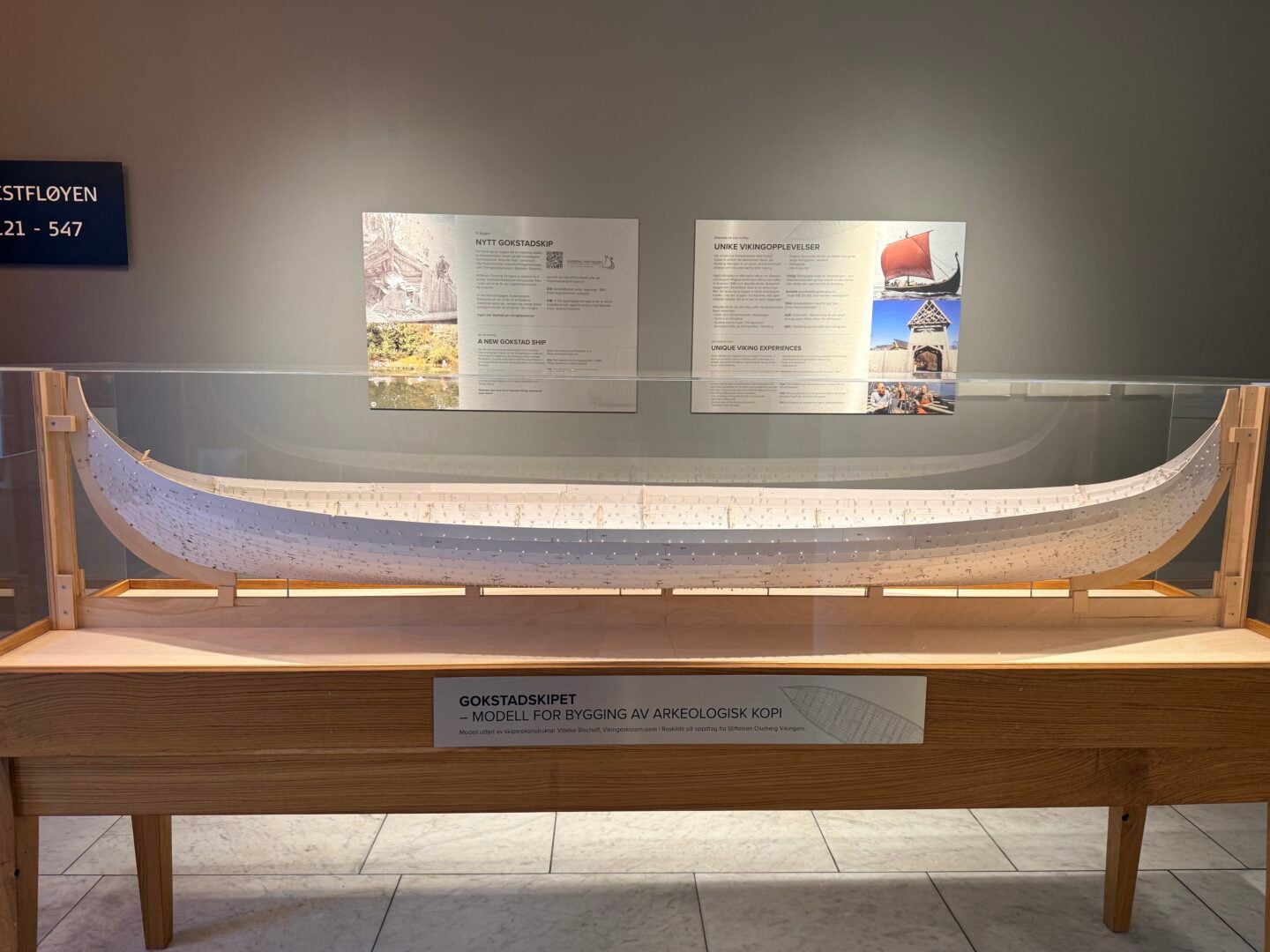
Sandefjord is home to Viking Park, where the Oseberg Viking Heritage Foundation is building replicas of Viking ships from centuries past. The foundation is currently working on the Gokstad ship, which is the largest of the four Viking ships discovered in Norway.
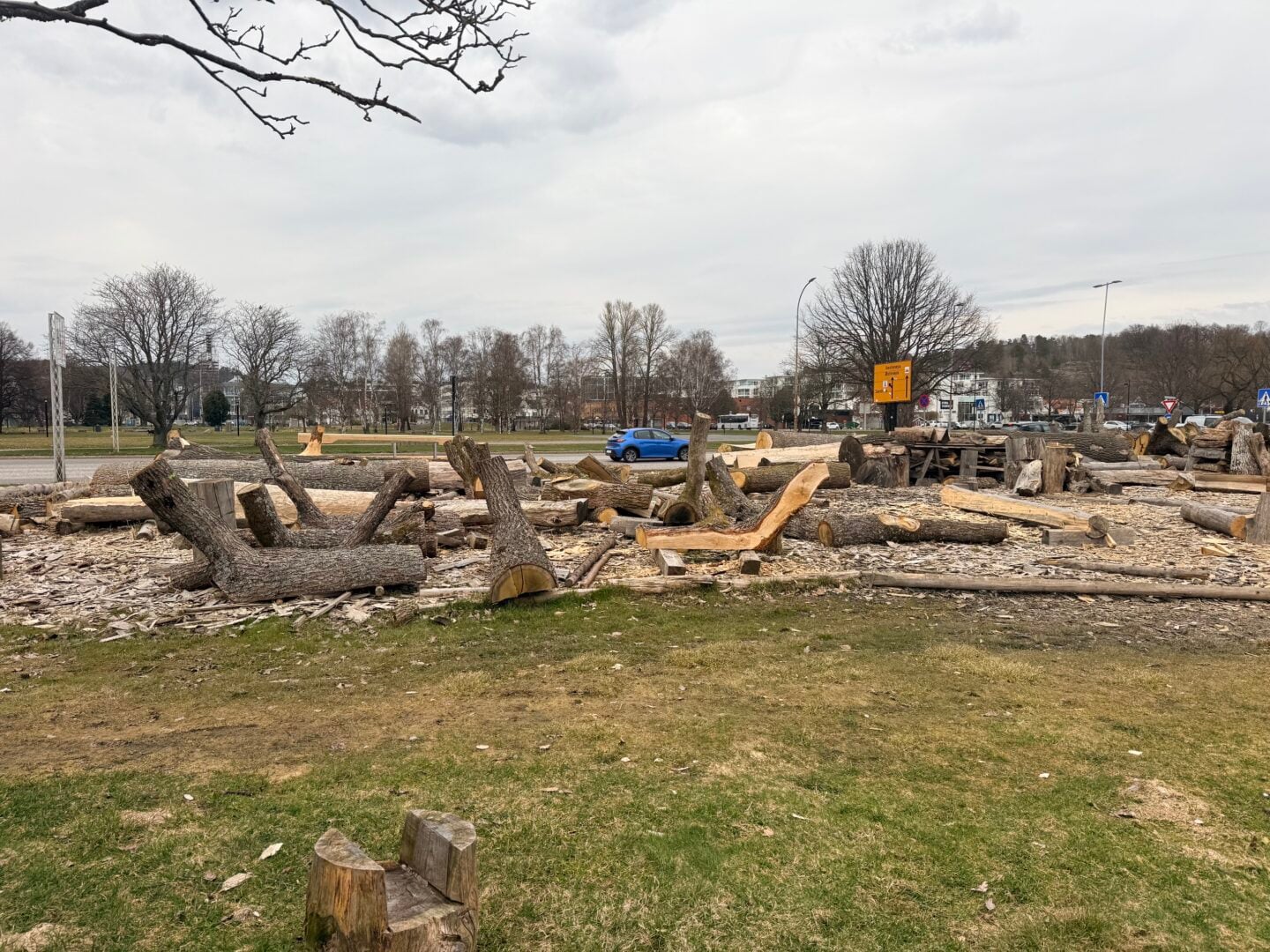
On my morning runs, I found myself reading about these ships, learning their history, and checking out their progress. All while spending my days hearing from experts in carbon management and touring two operational projects.
That is when the parallels began to be harder to ignore.
Vision: Building for a Future That Doesn’t Exist Yet
Why did Norway build Viking ships in the first place?
To explore. To establish new trade routes. To expand influence. And yes, there was a tiny bit of warfare involved.
But what struck me was: these ships were built long before the outcomes were certain. Communities spent years of effort and resources without knowing exactly what they would find in their explorations, or whether their investment would ever pay off.
You don’t build a ship for today’s shoreline; you build it for unknown waters.
Carbon management projects operate on the same mentality.
The early projects: Sleipner in Norway, Boundary Dam in Saskatchewan, Quest in Alberta, weren’t built because markets were mature or economics were clear. They were built in response to early policy signals, demonstrating that something new was possible.
These were large, complex investments. Boundary Dam took more than three years and over five million hours of work. Quest took nearly three years and more than 1.3 million hours. Time and money were spent before the projects were promised to deliver any long-term value.
And yet, today, we often assess these types of projects based on immediate economics.
The challenge isn’t that we’re building too early, it’s that we expect certainty too quickly.
Materials: Supply Chains are the Real Constraint
Viking ships relied on local resources, particularly high-quality oak. But having trees wasn’t enough.
They needed to be:
- Selected
- Cut
- Transported
- Split and shaped into planks
All with the tools and techniques Vikings had available at the time (no chainsaws folks!).
In other words, shipbuilding wasn’t just about design; it was about having a functioning supply chain.
Carbon management faces the same reality.
Capture technologies, pipelines, compressors, storage sites, power supply – each component depends on its own supply chain. And increasingly, the ability to source, manufacture, and integrate these components at scale is a challenge.
We often talk about scaling projects. But in practice, we need to scale supply chains and infrastructure systems first.
Design: Optimization Comes After Deployment
Viking ships weren’t a one-and-done design.
They evolved from logs used to cross rivers, to rafts, to canoes, to larger vessels powered by paddlers. The introduction of the sail and advancements in hull construction were the result of decades of iteration and hard lesson-learning.
The Gokstad ship wasn’t the first version. It was the result of many versions.
Carbon management is in a similar phase.
Early CCS projects were expensive, conservative in design, and often overbuilt to manage risk. But they also created the foundation for learning: how systems perform, where costs can be reduced, and how operations can be improved. And yet, we often expect today’s projects to be fully optimized, preforming perfectly from the start.
Optimization can’t happen before deployment; it happens because of it.
Labour: Building an Ecosystem, not Just Projects
Shipbuilding required more than materials and design. It required people.
Skilled shipbuilders, woodworkers, toolmakers, and sailors all played a role. Their skills were developed over time, shared across communities, and refined through experience.
Carbon management is no different.
Engineers, geoscientists, operators, policy experts, and financiers; these roles exist in other industries, but the specific expertise required for carbon capture, transport, and storage is still being developed.
At the conference, Heidelberg’s Brevik project shared that their operators are trained on digital twins for up to 18 months before working on the actual facility. That level of preparation shows how developing expertise to manage the capture plant can be challenging and timely.
We’re not just building projects. We’re building the workforce and the institutions needed to support them at the same time.
Deployment: Integration is Where Value is Created
A Viking ship on land has no value. It needs to be part of a system to serve its purpose – it needs ports, crews, navigation routes, and trade networks.
Carbon management projects are the same.
Capture without transport and storage is useless. Storage without capture is wasted space. Each part only creates value when integrated into a broader system.
Norway has leaned into this approach, focusing on transport and storage as shared infrastructure, while being supported through public-private partnerships. But in many cases, we still approach projects as standalone developments, rather than components of a coordinated system.
Carbon management doesn’t scale project-by-project; it scales system-by-system.
Incentives: Early Systems are Built on Shared Risk
Building a Viking ship was risky.
It required years of effort, significant resources, and no guarantee of success. A single individual didn’t carry that risk; it was shared across the community.
The same is true for early carbon management systems.
Projects today face uncertainty across policy, pricing, technology performance, and long-term liability. And yet, much of that risk is often expected to be absorbed by the private sector alone.
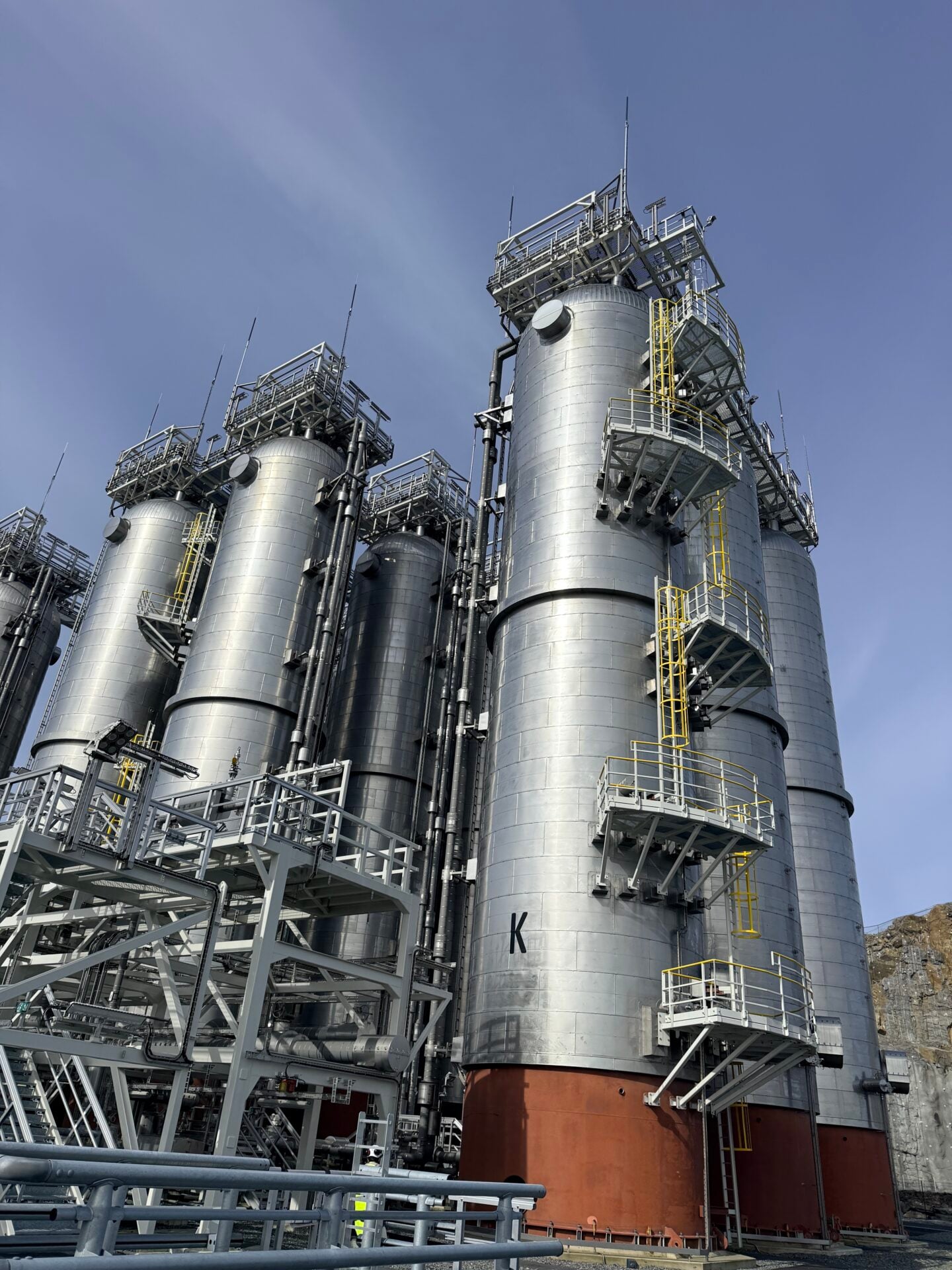
At the conference and during site visits, one theme emerged consistently: public-private partnerships are critical for advancing CCS adoption. These projects are too complex, too capital-intensive, and too uncertain in their early stages to be developed in isolation.
Early systems aren’t built on perfect economics. They are built on shared risk and aligned incentives.
What this Means for Carbon Management
Viking ships didn’t appear overnight, and the first design wasn’t the only design. They were built through persistence, iteration, and a willingness to invest in a future that wasn’t 100% defined.
Carbon management is on a similar path.
We are still early; we are still learning. And we are still building the systems that will enable scale. But that also means we need to be clear about what success looks like at this stage.
It’s not perfect economics. It’s not fully optimized systems. And it’s not standalone projects. It’s progress.
The question isn’t whether we can build carbon management systems. It is whether we’re willing to keep building them before the outcome is guaranteed.
You don’t build a ship for today’s shoreline, and you don’t build carbon management for today’s market. You build both for what comes next.